
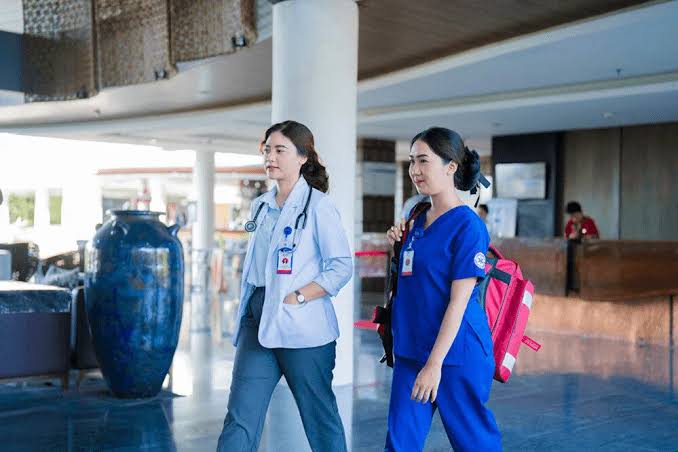
Healthcare education requires more than academic knowledge because practical experience plays a major role in developing capable professionals. Students who participate in Medical Internships Abroad can gain valuable exposure to international healthcare environments, improve clinical abilities, and understand different approaches to patient care. These programs provide opportunities to learn through real-world experiences while developing confidence and professional skills.
Why Are Global Medical Internship Programs Important?
Global medical internship programs help students experience healthcare practices in different settings. They allow participants to observe professional routines, understand medical procedures, and learn how healthcare teams manage daily responsibilities. This practical exposure supports academic learning by connecting theories with real-life situations.
International experiences also encourage students to become more adaptable. Healthcare systems can vary between regions, and learning how different communities approach medical care helps future professionals develop a broader understanding of the field.
How Can Medical Internships Abroad Develop Clinical Skills?
Clinical skills improve through continuous practice and observation. During an international internship, participants can learn about patient interaction, healthcare communication, and professional responsibilities. These experiences help them become more comfortable in clinical environments.
Working with healthcare teams allows students to understand the importance of teamwork and coordination. They learn how professionals communicate, share responsibilities, and provide effective care. These lessons can strengthen their confidence and prepare them for future healthcare roles.
What Benefits Do Students Gain From International Healthcare Exposure?
An overseas medical internship offers many benefits beyond clinical learning. Participants gain cultural awareness by interacting with people from different backgrounds. Understanding cultural differences can help healthcare professionals provide more respectful and effective care.
International exposure also improves problem-solving abilities. Students may encounter new situations that require flexibility and quick thinking. Learning to manage these challenges helps them develop skills that are useful throughout their careers.
How Do Medical Internships Support Professional Growth?
Professional growth is an important outcome of international healthcare experiences. Students can develop better communication skills, improve their understanding of medical practices, and build confidence in their abilities.
These internships also help participants explore their career interests. Exposure to different healthcare environments can provide insights into various medical fields and help students make informed decisions about their future paths.
What Should Students Know Before Joining a Medical Internship?
Choosing the right internship program requires proper planning. Students should consider their learning goals, preferred healthcare area, program structure, and opportunities for practical involvement. A well-organized internship can provide meaningful experiences and valuable professional development.
Preparation is also important before entering an international healthcare environment. Students should be ready to learn, adapt to new situations, and respect different healthcare practices. A positive approach can help them gain the maximum benefit from their experience.
Can International Medical Experiences Create Long-Term Advantages?
The impact of a medical internship abroad can continue throughout a professional career. The knowledge, confidence, and skills gained during the program can support future success in healthcare.
Participants often return with a stronger understanding of global healthcare challenges and improved abilities to work in diverse environments. These experiences encourage lifelong learning and professional improvement.
Conclusion
Medical internships abroad provide students with an opportunity to develop clinical skills through hands-on learning in international settings. These programs combine practical healthcare experience with cultural understanding, helping future professionals become more confident and capable. By gaining exposure to different healthcare environments, participants can build a strong foundation for successful careers in the medical field.