
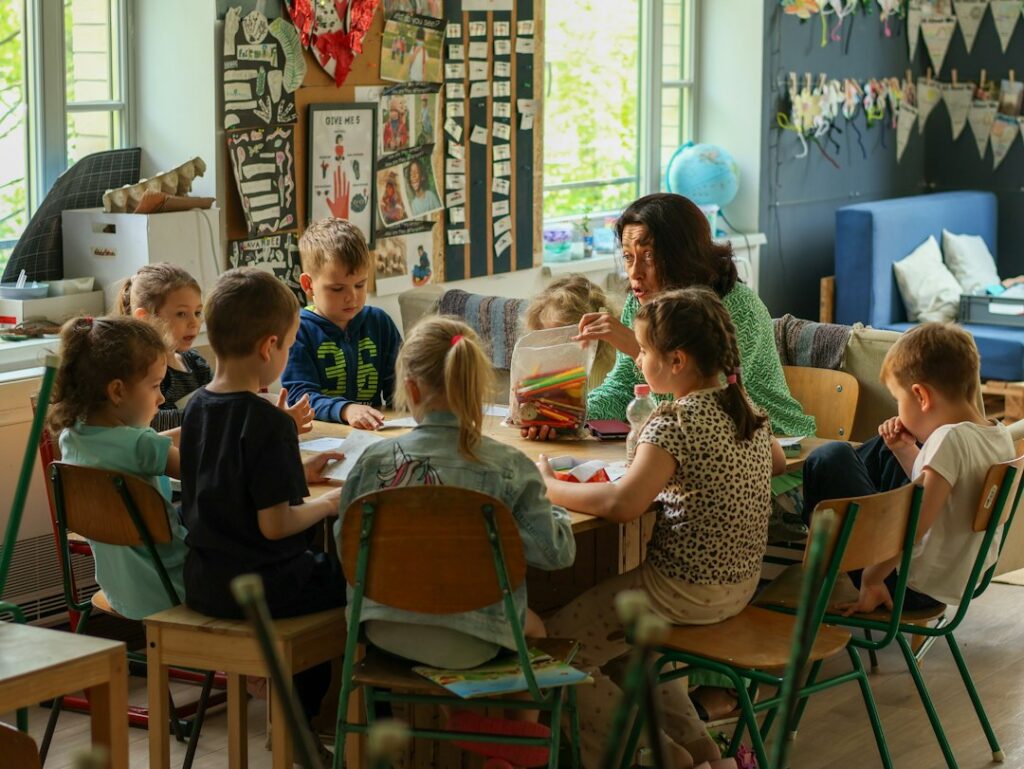
Selecting the right school is one of the most important decisions families make for their children. Parents want an educational environment that offers strong academic instruction, encourages personal development, and prepares students for future opportunities. When considering a private school West Palm Beach, families should look beyond academic results and evaluate the overall learning experience, teaching approach, student support, and opportunities available throughout the school year. A thoughtful choice can help children develop confidence, curiosity, and the skills needed to succeed.
Understanding Your Child’s Educational Needs
Every student has different interests, strengths, and learning requirements. Some children respond well to structured classroom instruction, while others benefit from interactive activities, creative projects, and individual guidance. Understanding these preferences can help parents identify a school environment that supports their child’s development.
Families should consider their child’s current academic progress, personality, interests, and future goals. It is also useful to think about the type of classroom environment in which the child feels comfortable and motivated. A school that recognizes individual learning needs can help students build confidence while developing important academic abilities.
Evaluating Academic Programs and Teaching Quality
A strong academic program provides students with a balanced foundation across essential subjects. Reading, writing, mathematics, science, and other areas of study help learners develop knowledge and practical thinking skills. Lessons should encourage understanding, participation, and the ability to apply information to different situations.
When evaluating a private school, parents can ask about the curriculum, teaching methods, classroom expectations, and academic support available to students. It is important to understand how educators monitor progress and assist learners who need additional guidance.
Experienced teachers can make a significant difference in the classroom. Clear explanations, constructive feedback, and meaningful discussions encourage students to become active participants in their education.
Considering Class Environment and Student Support
The classroom environment influences how students interact with teachers, classmates, and learning materials. An organized and welcoming setting can encourage participation and help children feel comfortable asking questions.
Parents may want to learn about class sizes, teacher accessibility, student guidance, and the school’s approach to maintaining a respectful atmosphere. Individual attention can help educators recognize learning challenges and provide appropriate encouragement.
Emotional and social development should also be considered. Students benefit from learning how to communicate respectfully, manage responsibilities, cooperate with others, and handle challenges constructively. These abilities support their overall growth alongside academic achievement.
Exploring Extracurricular and Enrichment Opportunities
Education extends beyond textbooks and classroom assignments. Extracurricular activities allow students to explore interests, develop practical skills, and discover new talents.
Depending on the school’s programs, opportunities may include arts, music, athletics, clubs, community activities, and collaborative projects. Such experiences can encourage creativity, teamwork, leadership, and time management.
Families should consider whether the available activities match their child’s interests. A balanced school experience gives students opportunities to develop academically while also participating in activities that make learning engaging and rewarding.
Understanding the School Community and Communication
A positive relationship between families and educators contributes to a supportive educational experience. Parents should understand how the school communicates academic progress, student achievements, upcoming activities, and important concerns.
Open communication helps families remain involved in their children’s development. It also provides opportunities to discuss individual needs and work together on practical solutions.
Visiting the campus can help parents observe the learning environment, meet educators, and understand the school’s approach to education. Asking questions about daily routines, policies, and family involvement can make the selection process more informed.
Making a Confident School Choice
Choosing a private school in West Palm Beach requires careful consideration of academic quality, student support, learning opportunities, and the overall school environment. Families should compare their priorities with the educational experience each school provides.
The right choice is one that supports a child’s interests, encourages steady progress, and creates opportunities for personal growth. By taking time to evaluate these factors, parents can select an educational setting that helps their children build a strong foundation for the future.